
How to Start a Garden: Tips for a Resilient Garden
Introduction
A resilient garden is one of the most powerful ways to build long-term food security at home.
In this guide, we’ll explore how to start a garden and the essential steps you need to take for success.
A resilient garden is more than a place to grow vegetables. It’s a small system that produces food, improves soil, and slowly becomes more productive over time. Even a modest garden can provide fresh food while helping you develop skills that are increasingly valuable in a world where most people are disconnected from how food is actually grown.
For beginners, gardening often looks more complicated than it really is. There are endless methods, tools, and opinions online. But most successful gardens start the same way: with good sunlight, healthy soil, and a handful of crops that are easy to grow.
You don’t need to master everything at once. A resilient garden develops gradually. Start small, learn from the land, and allow the system to improve season by season.
Why a Resilient Garden Matters
Modern food systems are efficient, but they are also distant from everyday life. Most food travels hundreds or even thousands of miles before it reaches a grocery store shelf. For most people, the process behind that food remains invisible.
Growing even a portion of your own food changes that relationship. A garden introduces a layer of stability and self-reliance. Fresh greens, herbs, and seasonal vegetables become something you can step outside and harvest rather than something that always has to be purchased.
But food production is only part of the benefit.
Gardens rebuild soil. They attract beneficial insects. They encourage observation. You begin to notice things most people overlook—how the soil holds moisture after a rain, where sunlight falls in late afternoon, or which plants seem naturally suited to your space.
A resilient garden doesn’t need to supply all your food. Its real value is that it strengthens the systems around you while teaching practical skills along the way.
Choose the Right Garden Location
The location of your garden matters more than most beginners realize. Plants depend heavily on sunlight and soil conditions, and choosing the right spot early can save a lot of frustration later.
Sunlight Requirements
Most vegetables need six to eight hours of direct sunlight each day. Crops like tomatoes, peppers, squash, and beans rely on strong sunlight to produce well.
Leafy greens such as lettuce or spinach can tolerate slightly less light, but they still grow best with several hours of sun.
Before planting anything, take a little time to observe your yard. Watch where the sun moves during the day. A spot that looks bright in the morning might fall into deep shade by afternoon.
Look for areas that:
- receive consistent direct sunlight
- have open air circulation
- are not shaded by buildings or large trees
Even partial shade during the middle of the day can reduce production for sun-loving crops.
Avoid Problem Areas
Some locations create problems that only become obvious after planting.
Try to avoid areas that:
- stay soggy after rain
- sit directly beneath large trees
- have extremely compacted soil
- receive heavy shade throughout the day
Tree roots in particular can make gardening difficult because they compete aggressively for both water and nutrients.
Keep the Garden Easy to Reach
Convenience matters more than people expect. Gardens that are tucked away in the far corner of a yard often get less attention.
A garden that sits along a daily walking path—near a porch, walkway, or back door—naturally receives more observation and care. When you pass by regularly, you notice problems sooner.
Understanding your climate zone is helpful when choosing crops. You can check your zone using the USDA Plant Hardiness Map. 2023 USDA Plant Hardiness Zone Map | USDA Plant Hardiness Zone Map

Start with Easy Crops
One of the most common beginner mistakes is choosing crops that are difficult to grow. It’s easy to be inspired by ambitious garden plans, but early success usually comes from planting simple, reliable crops.
Certain vegetables are naturally forgiving and produce food quickly.
Good Crops for Beginners
Many beginner-friendly plants grow well in a wide range of conditions.
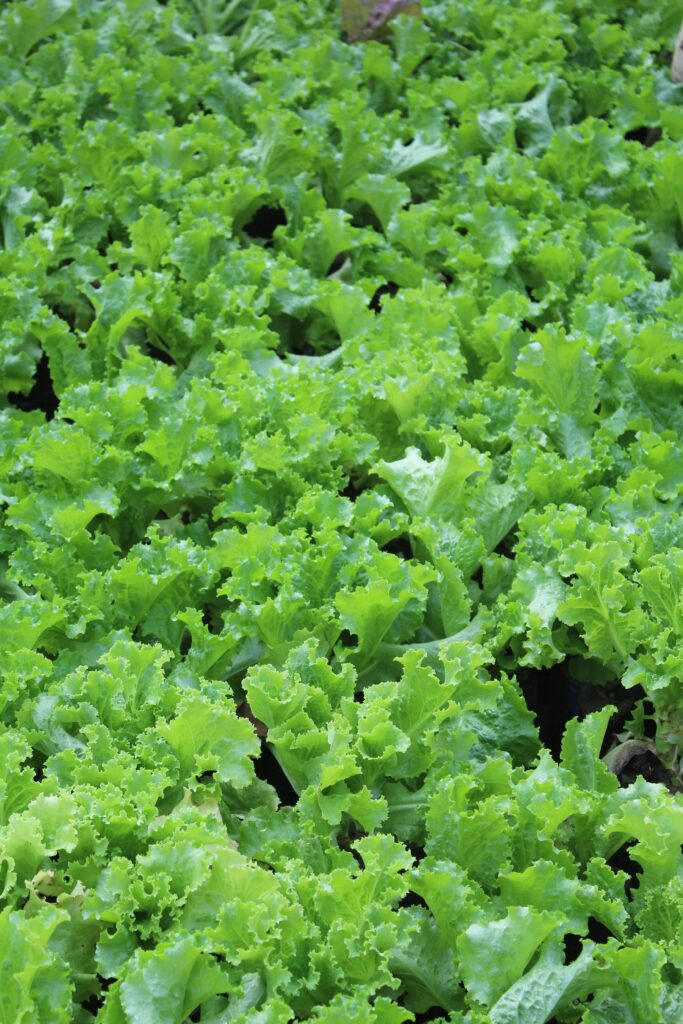
Leafy Greens
- lettuce
- spinach
- kale
Root Crops
- radishes
- carrots
- beets
Warm Season Vegetables
- bush beans
- cucumbers
- zucchini
Herbs
- basil
- parsley
- chives
Radishes, lettuce, and beans are especially good starting points because they grow quickly. Seeing plants mature and produce food within a few weeks can be surprisingly motivating.
Grow What You Actually Eat
A practical garden should match your kitchen habits.
If your household frequently uses herbs, salad greens, or fresh vegetables, start there. A small garden that produces food you genuinely use will always feel more worthwhile than one filled with unfamiliar crops.
Over time, you can experiment with additional varieties as your experience grows.
Prepare Your Soil
Healthy soil is the foundation of any productive garden. Plants rely on soil not only for nutrients but also for water retention, root support, and microbial life.
Good soil usually has a loose, crumbly texture and a dark color from organic material.
Understanding Soil Basics
Many yards contain soil that has been compacted or depleted over time. Instead of trying to force plants to grow in poor soil, it’s far more effective to gradually improve the soil itself.
The simplest way to do this is by adding organic material.
Common soil improvements include:
- compost
- aged manure
- shredded leaves
- grass clippings
These materials feed the organisms that live in soil and help improve its structure.
Loosen Compacted Soil
If the ground feels hard or dense, loosening it before planting will help roots establish more easily.
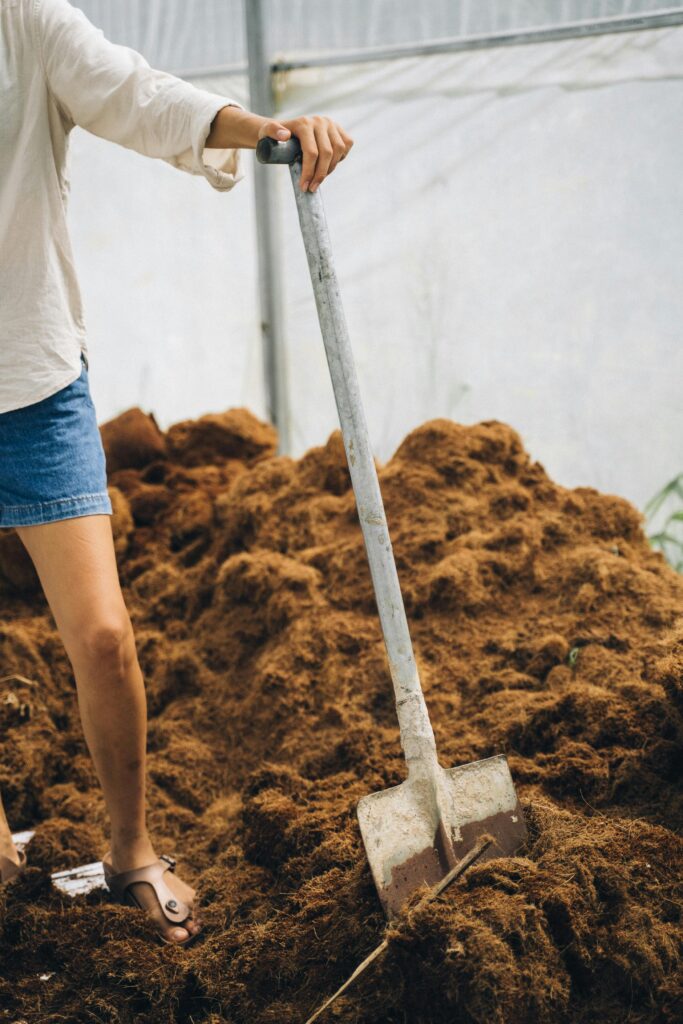
A shovel or garden fork can break up compacted soil enough for water and air to move through it.
However, avoid excessive tilling. Overworking the soil can damage its natural structure and disrupt beneficial organisms.
Improve Soil Over Time
Healthy soil develops gradually. Adding compost each season allows soil to hold water more effectively while providing steady nutrients for plants.
After a few seasons of care, soil often becomes darker, softer, and much easier to work with.
Plan Your Water System
Water management is one of the most important parts of a successful garden. Plants need consistent moisture, particularly when they are young or during hot summer periods.
How Much Water Do Vegetables Need?
Most garden vegetables require roughly one inch of water per week, whether it comes from rainfall or irrigation.
Instead of watering lightly every day, it’s often better to water deeply and less frequently. Deep watering encourages plants to develop stronger root systems.
Water the Soil, Not the Leaves
When watering, try to direct moisture toward the soil at the base of the plant rather than spraying the entire plant.
This helps:
- reduce fungal diseases
- conserve water
- deliver moisture directly to the roots
Simple tools like a watering can, hose, or drip line can all work effectively depending on the size of the garden.
Consider Rainwater Collection
Rainwater collection can make watering easier, especially during dry periods.
Even a small rain barrel connected to a roof downspout can collect a surprising amount of water during storms. That water can then be used later in the garden.
Rainwater is also free of the chlorine and additives commonly found in municipal water.
Start Small and Expand
A common mistake among new gardeners is starting with a space that is too large. Maintaining a big garden takes time, and if the workload becomes overwhelming, the garden may quickly fall behind.
A resilient garden grows gradually.
Begin with a Manageable Space
Starting small makes it easier to learn the basics without feeling overwhelmed.
A good beginner garden might include:
- one or two raised beds
- a small ground plot around 10×10 feet
- several containers for herbs or greens
This size allows you to produce real food while keeping the work manageable.
Pay Attention and Learn
Gardening improves with observation. Each growing season teaches something new about your soil, climate, and the plants themselves.
You might notice which areas hold moisture longer, which crops handle heat better, or where pests tend to appear first.
These small observations guide future improvements.
Expand Gradually
Once your initial garden is running smoothly, expanding becomes much easier.
You might add:
- another garden bed
- additional crop varieties
- compost systems
- improved watering setups
Growth that happens gradually tends to be far more sustainable than trying to build a large system all at once.
Final Thoughts
Starting a resilient garden does not require specialized equipment or complicated techniques. What matters most is establishing a few basic foundations: good sunlight, healthy soil, reliable water, and crops that grow easily.
From there, the garden slowly becomes a living system that improves with each season.
Even a small garden can produce meaningful amounts of food while helping you develop practical skills that stay useful for the rest of your life. Over time the soil becomes richer, plants grow more reliably, and the entire process becomes easier.
The most important step is simply getting started.
Plant a few seeds, observe what happens, and allow the garden to grow alongside your experience.