
Rainwater Collection Basics
Introduction
Rainwater collection is one of the simplest ways to make a home more resilient. Every time it rains, thousands of gallons of water fall onto rooftops, driveways, and yards. Most of that water quickly runs into storm drains and disappears downstream. With a simple collection system, some of that water can be captured and used productively instead.
For gardeners and homeowners, rainwater can become a dependable resource. Plants generally respond well to it, and collecting it reduces the amount of municipal water needed for gardens and landscapes. In many places, even a small rain barrel can provide a surprising amount of water during the growing season.
The goal of a rainwater system doesn’t have to be complicated. A basic setup can be built with a few practical components and expanded over time as your needs grow. Understanding the fundamentals is the first step toward building a system that works reliably.
Why Collect Rainwater
Rainwater collection is often discussed in terms of sustainability, but its benefits are also practical and immediate.
First, rainwater is free. Once a simple system is installed, every rainfall becomes an opportunity to store water for later use. Over time, this can noticeably reduce outdoor water use, especially during the growing season.
Second, rainwater tends to be better for plants than treated tap water. Municipal water systems often contain chlorine and other additives designed for human safety. While these treatments are safe for people, plants generally respond better to untreated rainwater.
There is also a reliability factor. During dry periods or water restrictions, stored rainwater allows gardens to continue receiving consistent moisture.
Finally, collecting rainwater encourages a better understanding of how water moves through your property. Once you begin paying attention, you may notice where runoff flows during storms, where soil absorbs water well, and where improvements could help retain more moisture in the landscape.
How Rainwater Collection Works
At its core, rainwater collection is a simple process. Rain falls on a roof, flows into gutters, travels through a downspout, and is directed into a storage container.
Most small systems rely on three main components:
- a roof surface for catching rainfall
- gutters and downspouts for directing water
- a storage container such as a rain barrel
When rain falls on the roof, it runs toward the gutters just as it normally would. Instead of allowing all of that water to flow directly into the ground or storm drains, part of it is diverted into a storage container.
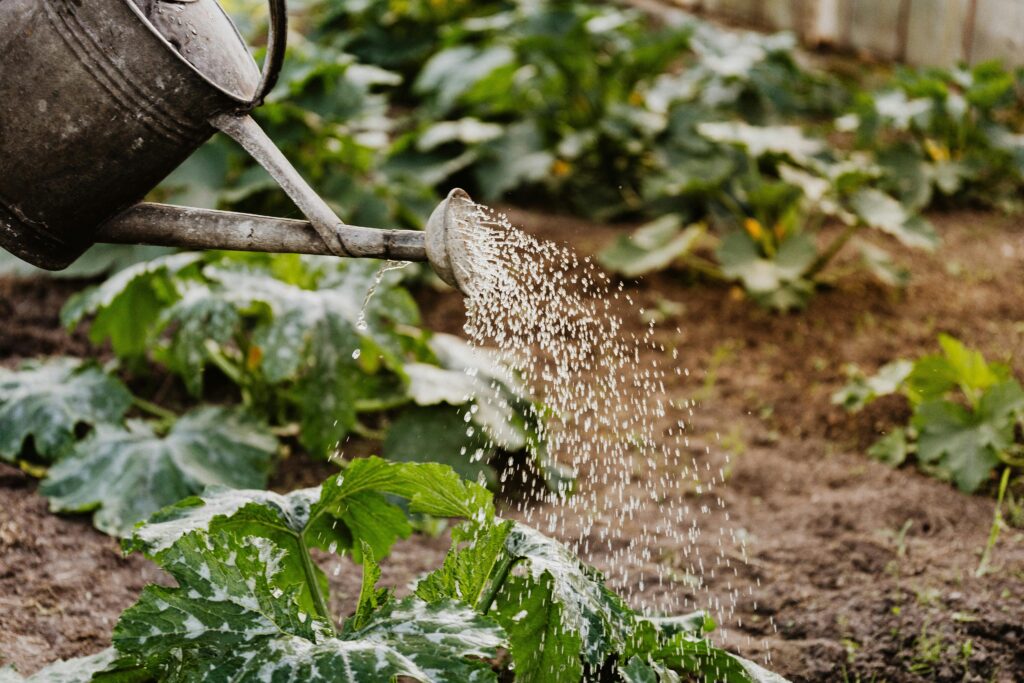
From there, the water can be used later for tasks like watering a garden or landscape plants.
Even a modest roof can collect significant water. For example, a single inch of rain falling on a 1,000-square-foot roof produces roughly 600 gallons of water. A typical rain barrel will only store a portion of that, but it demonstrates how much water is available during normal rainfall.
Choosing a Collection System
Rainwater systems can range from a single barrel to large underground storage tanks. For most homeowners, starting with a simple setup makes the most sense.
Rain Barrels
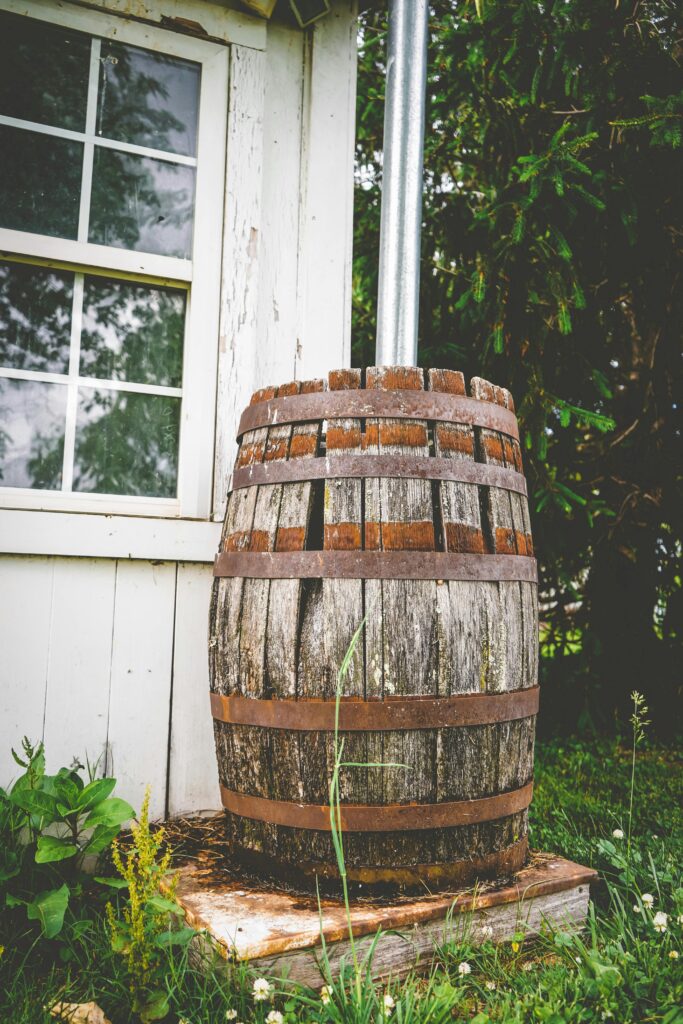
Rain barrels are the most common starting point. They typically hold between 40 and 80 gallons of water and connect directly to a downspout.
Advantages of rain barrels include:
- simple installation
- low cost
- minimal maintenance
- easy expansion with additional barrels
Many rain barrels include a small spigot near the bottom so water can be accessed with a watering can or hose.
Larger Storage Systems
Some households choose to install larger tanks or cisterns. These systems can store hundreds or even thousands of gallons of water.
While larger systems provide greater storage capacity, they usually require more planning and a higher initial investment. For most beginners, a few rain barrels provide a practical and effective starting point.
Linking Multiple Barrels
If one rain barrel fills quickly during storms, multiple barrels can be connected together using short hoses or linking kits. This allows water to flow from the first barrel into additional storage containers.
Connecting barrels is one of the easiest ways to expand a system without redesigning it.
Installing a Simple Rain Barrel
Installing a rain barrel is usually straightforward and can often be completed in less than an hour.
Choose the Right Location
The barrel should sit directly beneath a downspout where water already flows during rainstorms.
Look for a location that:
- sits on level ground
- is close to the garden or plants you plan to water
- allows overflow water to drain safely away from the house
Elevate the Barrel
Raising the barrel slightly off the ground improves water pressure and makes it easier to fill watering cans.
A simple platform made from concrete blocks, bricks, or pressure-treated lumber usually works well.
Modify the Downspout
Most installations require cutting the downspout so water can flow into the top of the barrel. Many rain barrels include a diverter or screened opening designed to accept water directly from the downspout.
The screen is important because it keeps leaves and debris from entering the barrel.
Plan for Overflow
Once the barrel fills, excess water needs somewhere to go. Most rain barrels include an overflow outlet that directs extra water away from the container.
Make sure overflow water flows away from building foundations and toward areas where it can soak safely into the ground.
Maintaining Water Quality
Rainwater systems require relatively little maintenance, but a few simple habits keep them working well.
Keep Debris Out
Leaves, twigs, and roof debris can collect in gutters and eventually enter the rain barrel. Installing screens or mesh filters helps prevent buildup.
Cleaning gutters periodically also improves water flow and reduces debris entering the system.
Prevent Mosquito Breeding
Standing water can attract mosquitoes, so rain barrels should always remain covered with a fine screen or sealed lid.
Most commercially available barrels include screened openings designed specifically for this purpose.
Seasonal Maintenance
In colder climates, rain barrels may need to be drained before winter to prevent freezing damage.
Disconnecting the barrel and allowing the downspout to flow normally during winter protects the system until the growing season returns.
Expanding Your System Over Time
A basic rain barrel system is often just the starting point. Once you become familiar with how water flows across your property, there are many ways to improve water retention.
Additional rain barrels can increase storage capacity, especially if connected in a series.
Some gardeners also direct overflow water toward garden beds or swales where it can soak slowly into the soil. These simple landscape adjustments can help retain more water on the property rather than letting it run off.
Over time, rainwater collection can become part of a broader water management strategy that includes soil improvement, mulching, and thoughtful garden design.
Each improvement helps the landscape hold water longer and reduces dependence on external water sources.
Final Thoughts
Rainwater collection is one of the most accessible ways to begin improving household resilience. A simple system can be installed quickly and expanded gradually as needs change.
For gardeners, the benefits are immediate. Stored rainwater provides a reliable source of irrigation, especially during dry stretches when plants need consistent moisture.
But beyond the practical advantages, rainwater systems encourage a deeper awareness of natural cycles. You begin to notice rainfall patterns, soil absorption, and how water moves through your landscape.
With just a few basic components, something that once flowed away unused can become a valuable resource for the garden.
Start here guide to resilient living
How to start a resilient garden
US EPA Rainwater Harvesting Guide
USDA Natural Resources Conservation Service – Water Conservation