
Building a Resilient Home Base: 7 Practical Systems That Strengthen Self-Reliant Living | Green Harvest Living
Introduction
Building a resilient home base is one of the most important steps toward long-term self-reliant living. A resilient home is not defined by size or location. Instead, it is built around systems that help households provide food, water, energy, and practical security even when outside systems become unreliable.
Many people imagine resilience as something complicated or expensive. In reality, resilience usually grows from simple systems working together: a garden that produces food, stored water for emergencies, basic tools for repairs, and energy systems that reduce dependence on the electrical grid.
The goal of building a resilient home base is not to become completely isolated or self-sufficient overnight. It is about gradually creating systems that increase stability, reduce vulnerability, and help households adapt to changing conditions.
Why Building a Resilient Home Base Matters
Building a resilient home base provides stability in a world where many systems operate far away from the people who depend on them.
Food often travels hundreds of miles before reaching a store. Electricity may depend on distant infrastructure. Water systems rely on complex networks of pumps, treatment facilities, and pipelines.
When these systems work normally, most people rarely notice them. But disruptions from storms, supply chain issues, or infrastructure problems can quickly reveal how dependent modern life has become.
Developing a resilient home base adds layers of independence. Instead of relying entirely on external systems, households begin creating their own small support systems that provide food, water, energy, and security.
These systems do not need to replace modern infrastructure entirely. Instead, they provide practical backup options that make everyday life more stable.
Food Production Systems
Food is one of the most important foundations of any resilient home.
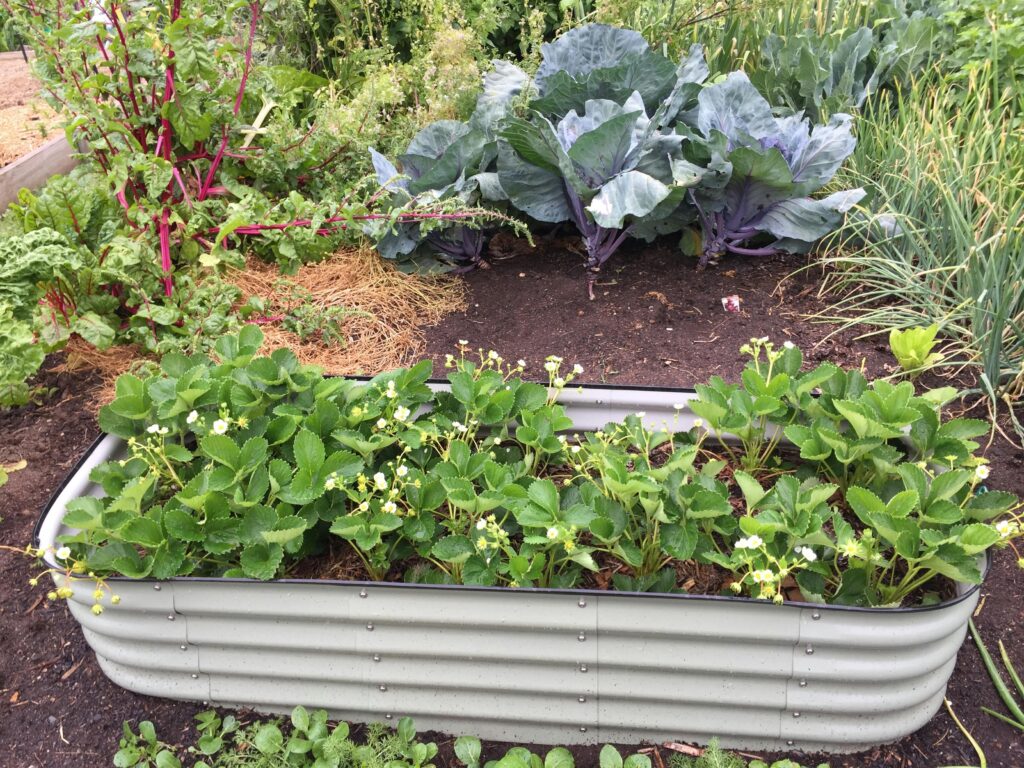
Growing food does not require large farmland. Even small backyard gardens can provide meaningful harvests of vegetables, herbs, and fruits throughout the year.
Common home food systems include:
- backyard vegetable gardens
- raised garden beds
- fruit trees and berry bushes
- small greenhouse structures
Many households begin by learning how to start a resilient garden, which provides fresh produce while improving soil health and outdoor ecosystems.
Food production systems often expand gradually as experience grows.
Water Security and Storage
Water is another critical system for building resilience.
A resilient home base should always consider how water will be stored and accessed during emergencies or interruptions.
Common water systems include:
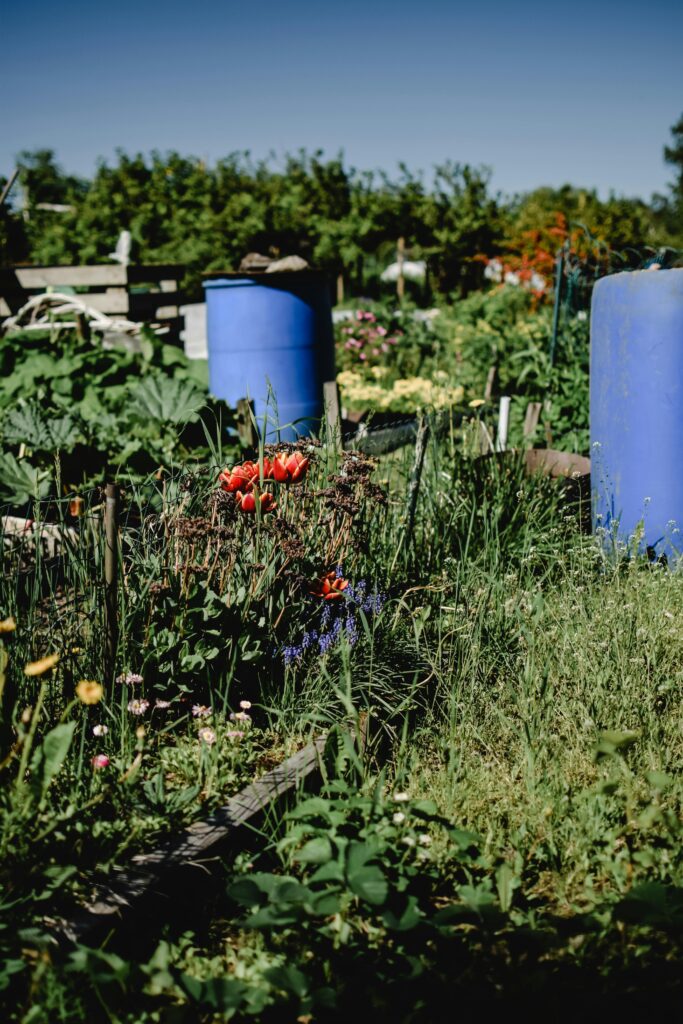
- rainwater collection systems
- water storage containers
- gravity-fed water filters
- emergency water reserves
Even simple systems such as rain barrels can provide useful water for gardens and landscaping.
Learning the rainwater collection basics can help households begin capturing and storing water that would otherwise run off the property.
For additional guidance on rainwater harvesting and water conservation practices, the U.S. Environmental Protection Agency provides resources on rainwater collection systems.
Energy Independence
Electricity is another essential system for modern households.
While many homes rely entirely on grid electricity, renewable energy systems allow households to generate power locally.
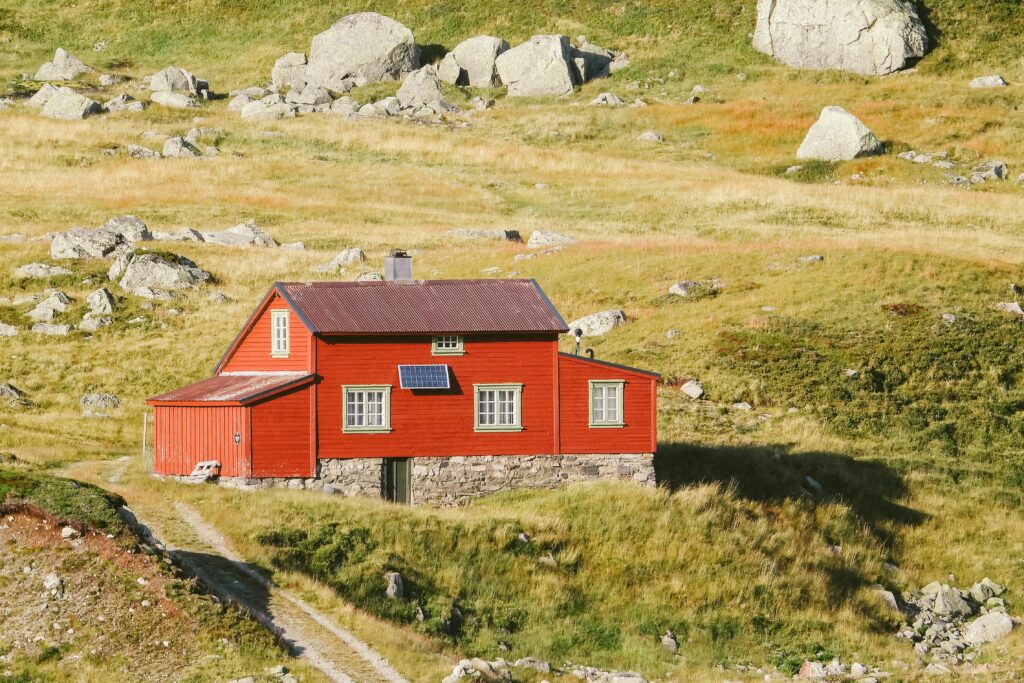
Solar energy is one of the most practical options for off-grid or resilience-focused homes.
Small solar systems can power:
- lighting
- device charging
- refrigeration
- workshop tools
Understanding the solar power basics for off-grid living helps homeowners design systems that grow gradually as energy needs expand.
For a deeper explanation of solar energy technology, the U.S. Department of Energy provides an overview of solar photovoltaic technology.
Food Storage and Preservation
Food production becomes far more valuable when harvests can be preserved and stored for later use.
Traditional preservation techniques allow seasonal harvests to last for months.
Common food storage systems include:
- canning
- dehydration
- fermentation
- freezing
- root cellaring
Learning food preservation methods for long term storage allows households to reduce waste and build a stable pantry.
A well-organized pantry helps extend the benefits of a productive garden throughout the year.
Tools and Skills for Self-Reliance
Tools allow households to repair, build, and maintain the systems that support resilient living.
Some of the most useful tools include:
- basic hand tools
- gardening equipment
- woodworking tools
- food preservation equipment
Developing a collection of essential tools for self-reliant living helps households handle common maintenance tasks without depending entirely on outside services.
Over time, skills often grow alongside the tools themselves.
Starting Small and Expanding Over Time
Building a resilient home base rarely happens all at once.
Most households begin with one or two systems such as gardening or water storage. As those systems become familiar, new systems can be added.
A typical progression might look like:
- start a garden
- add rainwater collection
- build food storage systems
- install small solar power systems
- expand tools and property maintenance capabilities
This gradual approach keeps projects manageable and allows each system to support the others.
Final Thoughts
Building a resilient home base is ultimately about creating systems that help households adapt and remain stable through changing conditions.
Food production, water storage, energy systems, preservation skills, and practical tools all contribute to a more independent and capable household.
The most effective approach is to begin with one system and expand gradually. Over time, these systems begin to reinforce each other and create a home environment that is more prepared, adaptable, and sustainable.
With patience and thoughtful planning, building a resilient home base becomes an ongoing process that strengthens both the household and the land around it.