
Essential Tools for Self-Reliant Living: 9 Practical Tools That Build Real Independence | Green Harvest Living
Introduction
Essential tools for self-reliant living are the foundation of a resilient household. While modern technology often hides the systems that support daily life, basic tools allow people to solve problems directly and maintain independence when systems fail or become unreliable.
For most of human history, households relied on practical tools to grow food, repair structures, process materials, and manage daily tasks. These tools were simple, durable, and adaptable to many different situations.
Today the same principle still applies. A small collection of reliable tools can dramatically improve a household’s ability to grow food, maintain property, and respond to unexpected challenges.
The goal is not to accumulate large quantities of equipment. Instead, focus on a handful of tools that solve common problems and support everyday self-reliant skills.
Why Essential Tools for Self-Reliant Living Matter
Essential tools for self-reliant living allow households to handle basic tasks without depending entirely on outside services or complex systems.
When a storm damages a fence, tools allow quick repairs. When a garden needs to be expanded, tools make the work manageable. When food needs to be processed or preserved, the right equipment saves time and effort.
Tools also support skill development. As people become familiar with basic equipment, they gain confidence in handling repairs, building small structures, or managing land more effectively.
Many self-reliant households gradually build their tool collections over time. Instead of buying everything at once, they acquire tools as new projects and needs arise.
Hand Tools for Everyday Tasks
Simple hand tools remain some of the most versatile pieces of equipment a household can own.
Basic tools can handle a wide variety of tasks including repairs, gardening, and construction projects.
Common essential hand tools include:
- hammer
- adjustable wrench
- screwdrivers
- pliers
- measuring tape
- utility knife
These tools support many everyday activities such as repairing furniture, fixing equipment, and completing small building projects.
A compact toolbox with these items often becomes one of the most frequently used resources in a self-reliant home.
Garden Tools That Support Food Production
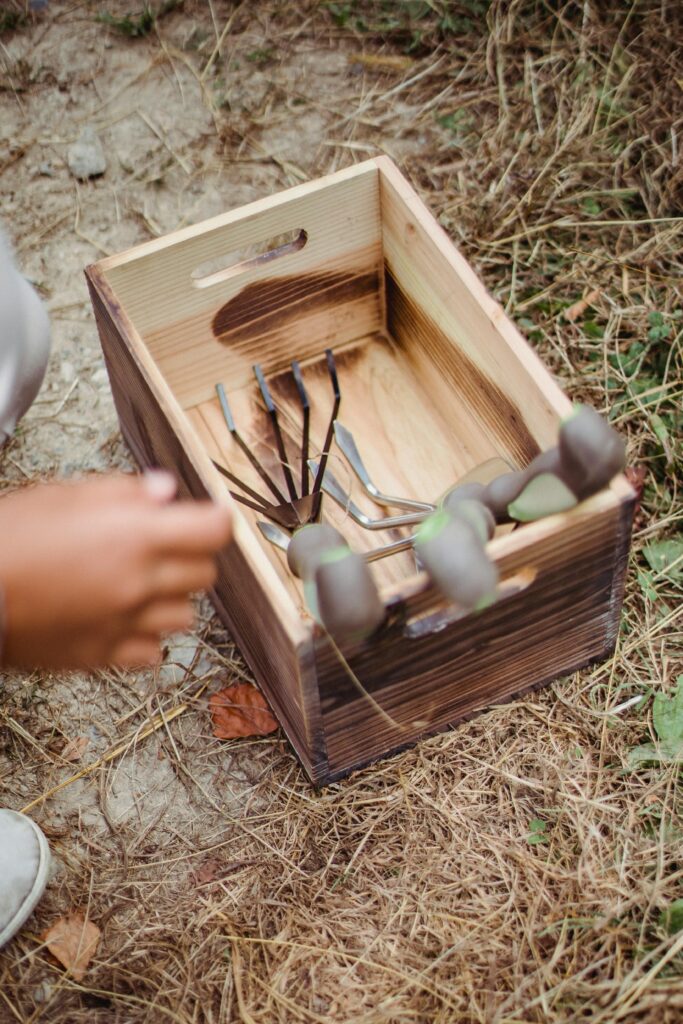
Growing food is one of the most important aspects of resilience. Reliable garden tools make planting, soil preparation, and harvesting significantly easier.
Some of the most useful tools for food production include:
- shovel
- garden fork
- hoe
- rake
- hand trowel
- pruning shears
These tools allow gardeners to prepare beds, loosen soil, manage weeds, and maintain plants throughout the growing season.
For households focused on long-term resilience, garden tools quickly become part of the essential tools for self-reliant living because they directly support food production.
Garden tools should be durable and comfortable to use. High-quality tools often last for many years when cleaned and stored properly.
Food Processing and Preservation Tools
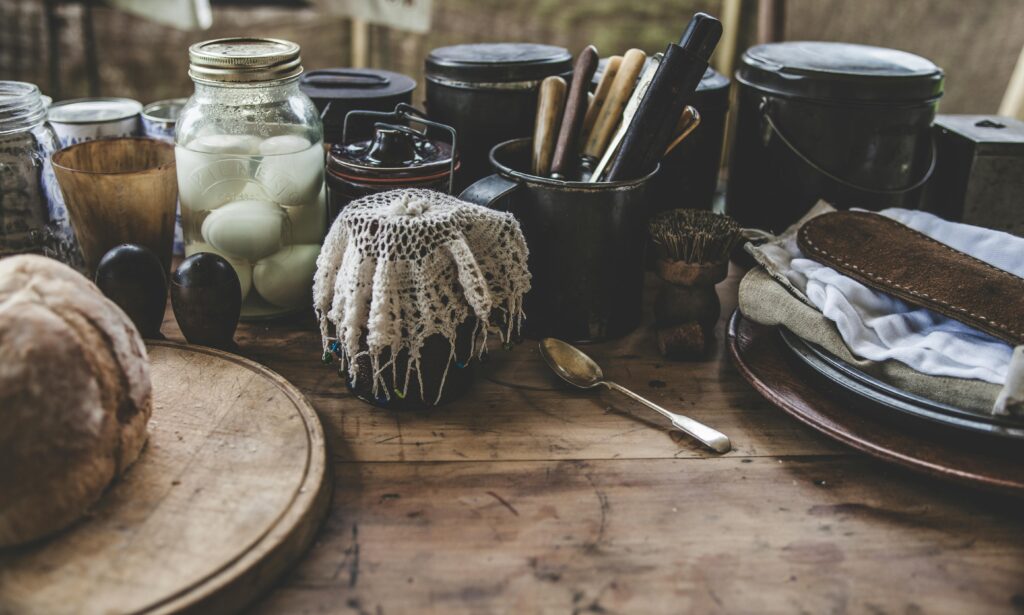
Harvested food often needs to be processed quickly to prevent spoilage. A few practical tools can make this process far easier.
Examples include:
- pressure canner
- dehydrator
- fermentation crocks
- large stock pots
- sharp kitchen knives
These tools support common food preservation methods such as canning, drying, and fermenting.
For households interested in food preservation methods for long term storage, having the proper equipment helps transform fresh harvests into shelf-stable food that can be stored for months.
Over time, these tools become central to maintaining a reliable pantry.
Water Collection and Storage Equipment
Water is one of the most important systems for any resilient household. Reliable tools help capture, store, and distribute water effectively.
Practical water management tools include:
- rain barrels
- water storage containers
- gravity filters
- hoses and fittings
These systems work especially well when combined with rainwater collection basics and thoughtful water management around the property.
Even small systems can provide backup water for gardens, animals, and household needs.
Tools for Property Maintenance
Self-reliant living often involves maintaining land, structures, and outdoor spaces.
Several tools are especially useful for property care:
- axe or hatchet
- handsaw
- pruning saw
- wheelbarrow
- shovel
These tools support activities like clearing brush, cutting firewood, repairing fences, and maintaining pathways.
Reliable property maintenance tools allow households to manage land effectively without always relying on outside services.
Power Tools That Expand Capability
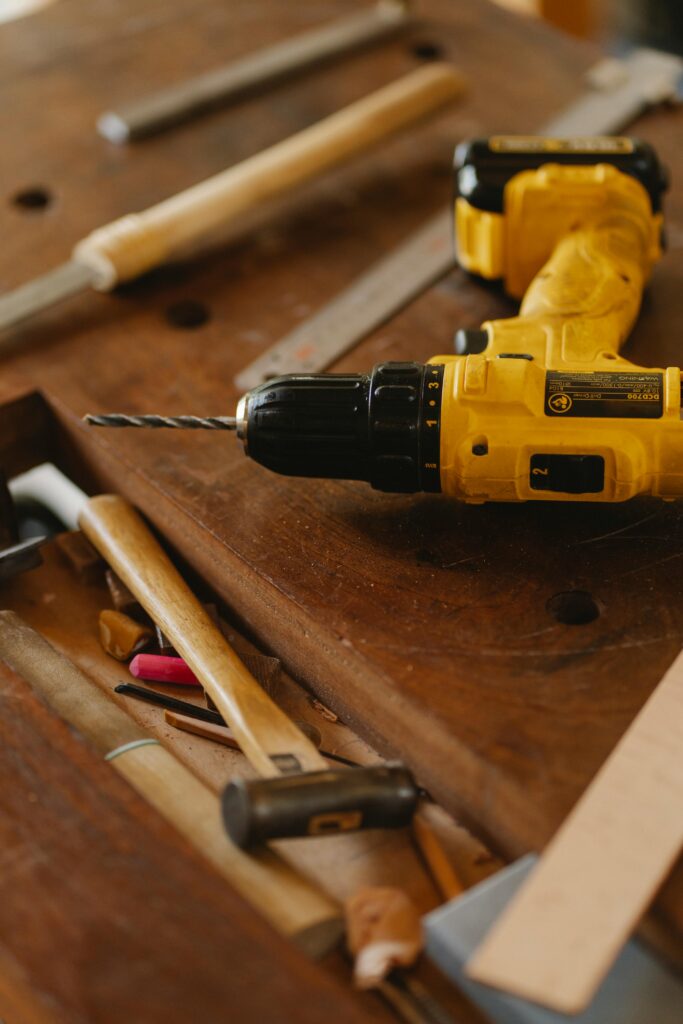
While hand tools form the foundation of self-reliant work, certain power tools can dramatically increase efficiency.
Common power tools include:
- cordless drill
- circular saw
- angle grinder
- chainsaw
These tools make construction projects, repairs, and land management faster and easier.
For households interested in solar power basics for off-grid living, cordless tools powered by rechargeable batteries can integrate well with small solar systems.
This allows tools to remain usable even in off-grid environments.
Building Your Tool Collection Gradually
One of the most practical approaches to building a tool collection is to acquire tools as they become necessary.
Instead of purchasing large tool sets immediately, many people start with basic equipment and add specialized tools when new projects require them.
This approach keeps costs manageable while ensuring each tool has a clear purpose.
Over time, a household tool collection becomes a practical resource that supports many different aspects of self-reliant living.
Final Thoughts
Essential tools for self-reliant living help households solve problems directly, maintain property, and support practical skills that improve resilience.
A small collection of reliable tools can support gardening, food preservation, repairs, and everyday tasks that strengthen independence.
Rather than focusing on quantity, the goal is to choose tools that are durable, versatile, and suited to the work you plan to do.
With time and experience, these tools become part of a larger system that allows households to operate more confidently and sustainably.
food preservation methods for long term storage
solar power basics for off-grid living