
Food Preservation Methods for Long Term Storage: 6 Reliable Ways to Protect Your Harvest | Green Harvest Living
Introduction
Food preservation methods for long term storage allow households to extend seasonal harvests and keep food available long after the harvest season has ended. Fresh produce is seasonal, and without preservation methods much of the harvest would spoil within days or weeks.
Food preservation allows you to extend the life of vegetables, fruits, herbs, and meats so they can be used months later. Long before refrigeration existed, people relied on preservation techniques to keep food available through winter and during periods when fresh food was scarce.
Today, those same methods remain useful. Whether you grow food at home, buy from local farms, or simply want to reduce food waste, understanding food preservation methods for long term storage can make a significant difference in how efficiently your household uses food.
The goal is not to preserve everything at once. Instead, start with a few reliable methods and build skills over time.
Food Preservation Methods for Long Term Storage: Why They Matter
Food preservation has always been closely tied to resilience. A good harvest means little if the food cannot be stored for later use.
Preservation allows seasonal abundance to be stretched across the year. Tomatoes from the summer garden can become sauce for winter meals. Herbs can be dried and used long after the growing season ends.
Another benefit is reduced food waste. Many households throw away produce simply because it spoils before it can be used. Preservation extends the usable life of food and makes meal planning easier.
It also provides security during disruptions. Power outages, transportation issues, or temporary shortages become less stressful when a household already has preserved food available.
Learning the basic food preservation methods for long term storage gives you control over how long your food supply lasts.
Canning: A Classic Food Preservation Method for Long Term Storage
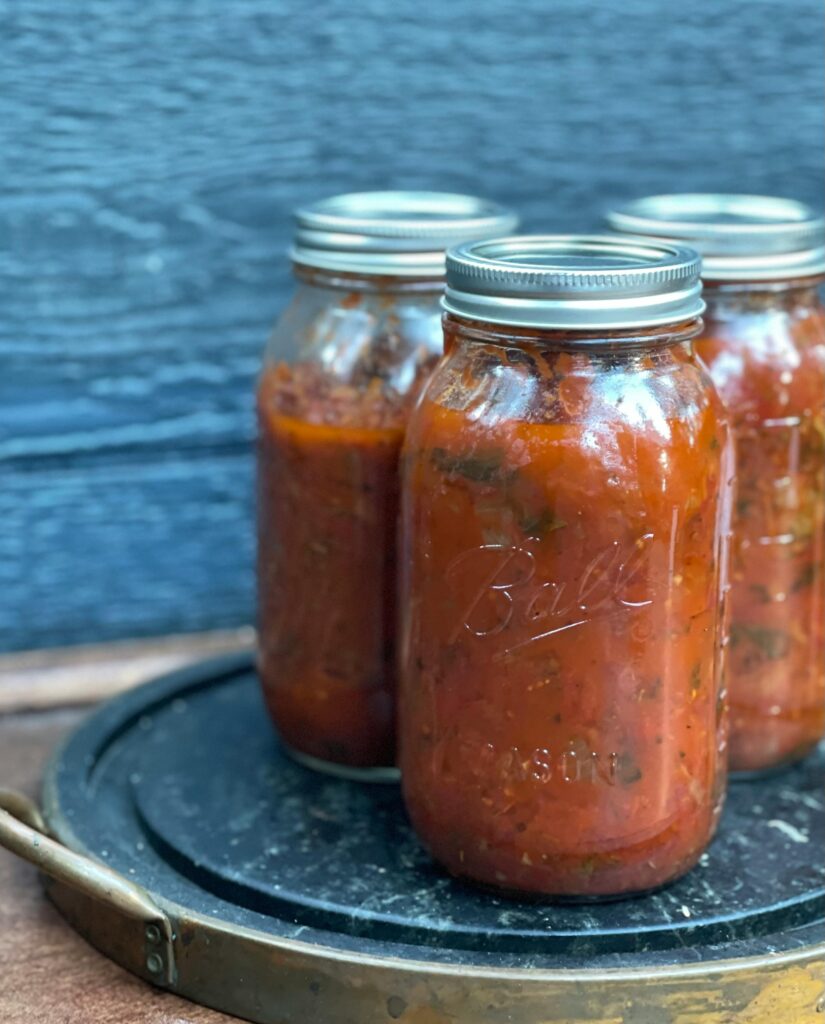
Canning is one of the most well-known food preservation methods. It works by sealing food in jars and heating them to destroy bacteria and microorganisms that cause spoilage.
Once sealed properly, canned food can remain safe for months or even years.
Water Bath Canning
Water bath canning is typically used for foods that contain natural acidity.
Common foods preserved this way include:
- tomatoes
- fruit preserves and jams
- pickles
- fruit sauces
The jars are submerged in boiling water for a specific amount of time to create a vacuum seal.
Pressure Canning
Low-acid foods require pressure canning to safely eliminate harmful bacteria.
These foods include:
- green beans
- corn
- potatoes
- meats
- soups and stews
Pressure canners reach temperatures higher than boiling water, making them necessary for these foods.
Canning requires attention to proper techniques, but once the process is learned it becomes one of the most reliable food preservation methods for long term storage.
Drying and Dehydrating
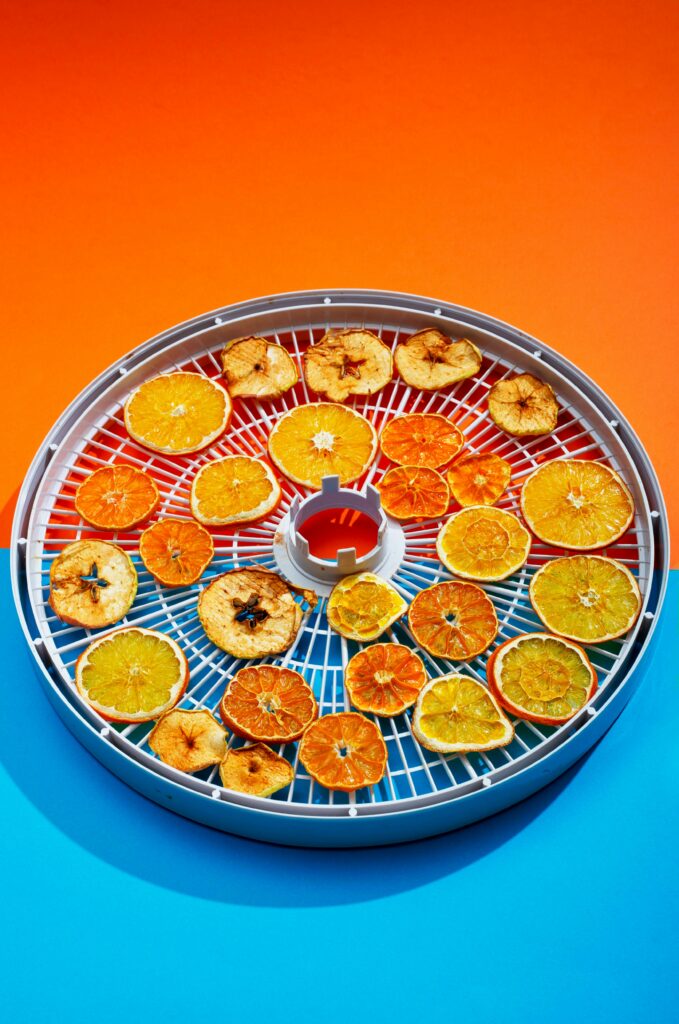
Drying food removes moisture that microorganisms need to grow. Without moisture, many foods can be stored safely for long periods.
Drying has been used for thousands of years and remains one of the simplest preservation methods.
Foods that dry well include:
- herbs
- fruits
- mushrooms
- peppers
- sliced vegetables
Food can be dried using a dehydrator, a low-temperature oven, or even air drying in warm climates.
Once dried, food should be stored in airtight containers to prevent moisture from returning.
Dried foods are lightweight and compact, which makes them useful for long-term storage and emergency supplies.
Freezing
Freezing is one of the easiest ways to preserve food, especially when starting out.
By lowering the temperature of food below freezing, microbial activity slows dramatically. This allows food to remain usable for many months.
Many foods freeze well, including:
- vegetables
- fruits
- cooked meals
- meats and fish
Vegetables are often blanched briefly in boiling water before freezing. This helps preserve texture and flavor.
While freezing is convenient, it depends on electricity. For households interested in long-term resilience, freezing is often combined with other food preservation methods for long term storage.
Fermentation
Fermentation preserves food through beneficial bacteria that produce acids. These acids prevent harmful bacteria from growing while creating unique flavors.
Common fermented foods include:
- sauerkraut
- kimchi
- yogurt
- pickled vegetables
Fermented foods often require only salt, vegetables, and time.
Besides preservation, fermentation also improves digestibility and adds beneficial probiotics to the diet.
For many homesteaders, fermentation becomes one of the most enjoyable food preservation practices because it requires minimal equipment.
Root Cellaring
Root cellaring is one of the oldest food preservation methods for long term storage and requires no electricity.
A root cellar uses cool temperatures, moderate humidity, and darkness to slow the spoilage of certain crops.
Vegetables that store well this way include:
- potatoes
- carrots
- onions
- garlic
- winter squash
These foods naturally store well if kept in the right conditions.
Traditional root cellars were built underground to maintain stable temperatures, but modern homes sometimes use basements, insulated boxes, or cool storage rooms to achieve similar results.
Vacuum Sealing
Vacuum sealing removes air from packaging, which slows oxidation and bacterial growth.
This method works especially well when combined with other preservation techniques.
For example:
- vacuum sealing dried foods
- sealing foods before freezing
- storing grains and dry goods
Removing air extends shelf life and protects food from moisture and pests.
Vacuum sealing machines are widely available and easy to use, making them a practical addition to a long-term food storage system.
Final Thoughts
Food preservation is not about stockpiling massive quantities of food overnight. It is about building habits and systems that allow food to last longer and be used more efficiently.
Learning the food preservation methods for long term storage helps households reduce waste, take advantage of seasonal harvests, and maintain a more stable food supply.
Each method has its strengths. Canning allows meals to be stored for months. Drying creates lightweight foods with long shelf lives. Fermentation adds flavor while preserving vegetables. Root cellaring keeps certain crops fresh without electricity.
The best approach is to begin with one or two methods and practice them regularly. Over time, these techniques become routine parts of managing a resilient kitchen.
solar power basics for off-grid living