
Solar Power Basics for Off-Grid Living: 7 Practical Steps to Generate Your Own Electricity | Green Harvest Living
Introduction
Solar power basics for off-grid living begin with understanding how sunlight can be turned into reliable electricity for everyday use. For many households interested in resilience and self-reliance, solar energy offers one of the most practical ways to generate power without depending entirely on the electrical grid.
Modern solar systems are far simpler than many people expect. With a few core components—solar panels, batteries, and a charge controller—homes can produce and store their own energy for lighting, appliances, and tools.
The goal of this guide is to explain the solar power basics for off-grid living in clear terms so beginners can understand how small solar systems work and how to begin building one step by step.
Why Solar Power Matters for Off-Grid Living
Solar energy allows households to produce electricity directly from sunlight. Instead of relying solely on distant power plants and long transmission lines, energy can be generated on-site.
This independence becomes especially valuable in rural areas, cabins, homesteads, or properties where grid access is limited or unreliable.
Learning solar power basics for off-grid living also helps homeowners better understand how electricity is used in their homes. Once people begin generating their own power, they often become more aware of energy consumption and efficiency.
Solar power systems can start small and grow gradually. A system that begins by charging batteries for lights and devices can later expand to support refrigerators, water pumps, and other essential equipment.
Solar Power Basics for Off-Grid Living: How Solar Systems Work
A basic off-grid solar system converts sunlight into electricity and stores it for later use.
Four components make this possible:
Solar Panels
Solar panels contain photovoltaic cells that capture sunlight and convert it into direct current (DC) electricity.
Panels are typically installed on rooftops or ground mounts where they receive the most sunlight throughout the day.
Charge Controller
The charge controller regulates electricity coming from the solar panels. It prevents batteries from overcharging and helps maintain safe voltage levels.
Battery Bank
Batteries store electricity generated during the day so it can be used at night or during cloudy weather.
Modern off-grid systems commonly use lithium batteries, though lead-acid batteries are still widely used in smaller setups.
Inverter
Most household appliances run on alternating current (AC) electricity. The inverter converts stored DC electricity from batteries into usable AC power.
Together these components form the foundation of solar power basics for off-grid living.
For a deeper technical explanation of how solar panels convert sunlight into electricity, the U.S. Department of Energy provides a helpful overview of solar photovoltaic technology.
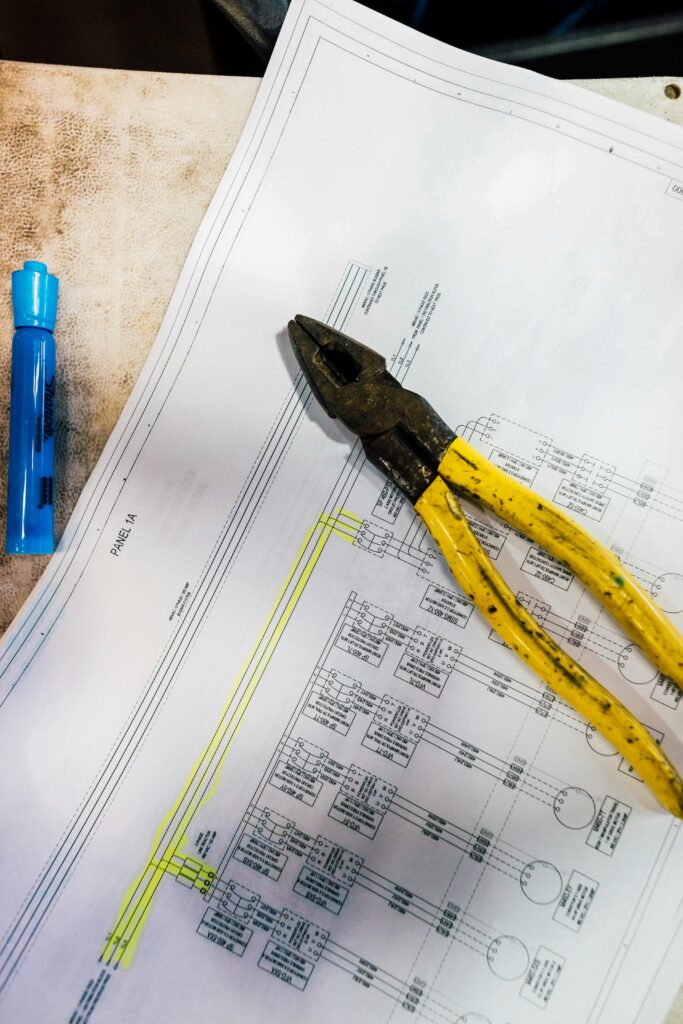
Choosing the Right Solar Panels
Solar panels are the most visible part of a solar energy system. Selecting the right panels helps ensure reliable energy production.
Most residential systems use monocrystalline panels, which offer high efficiency and durability.
When comparing panels, consider:
- wattage rating
- efficiency
- durability and warranty
- mounting options
Higher wattage panels generate more electricity but may require additional space and mounting support.
For many off-grid homes, starting with a few panels and expanding over time works well.
Battery Storage for Off-Grid Power
Batteries allow solar systems to store energy produced during the day. Without storage, solar electricity would only be available while the sun is shining.
Common battery types include:
Lead-Acid Batteries
These have been used for decades in off-grid systems. They are relatively affordable but require maintenance and ventilation.
Lithium Batteries
Lithium batteries have become increasingly popular because they last longer, require little maintenance, and store more usable energy.
Battery capacity is usually measured in kilowatt hours (kWh). The larger the battery bank, the longer your system can provide electricity without sunlight.
Understanding battery storage is an important part of the solar power basics for off-grid living.
Placing Solar Panels for Maximum Sunlight
Solar panels produce the most electricity when they receive direct sunlight for most of the day.
Ideal placement usually involves:
- southern exposure in the northern hemisphere
- minimal shading from trees or buildings
- tilt angles that capture sunlight efficiently
Ground-mounted systems often allow easier adjustment and maintenance, while rooftop installations save space.
Before installing panels, observe sunlight patterns across your property to identify the best location.
The National Renewable Energy Laboratory also provides detailed research on solar panel orientation and efficiency.
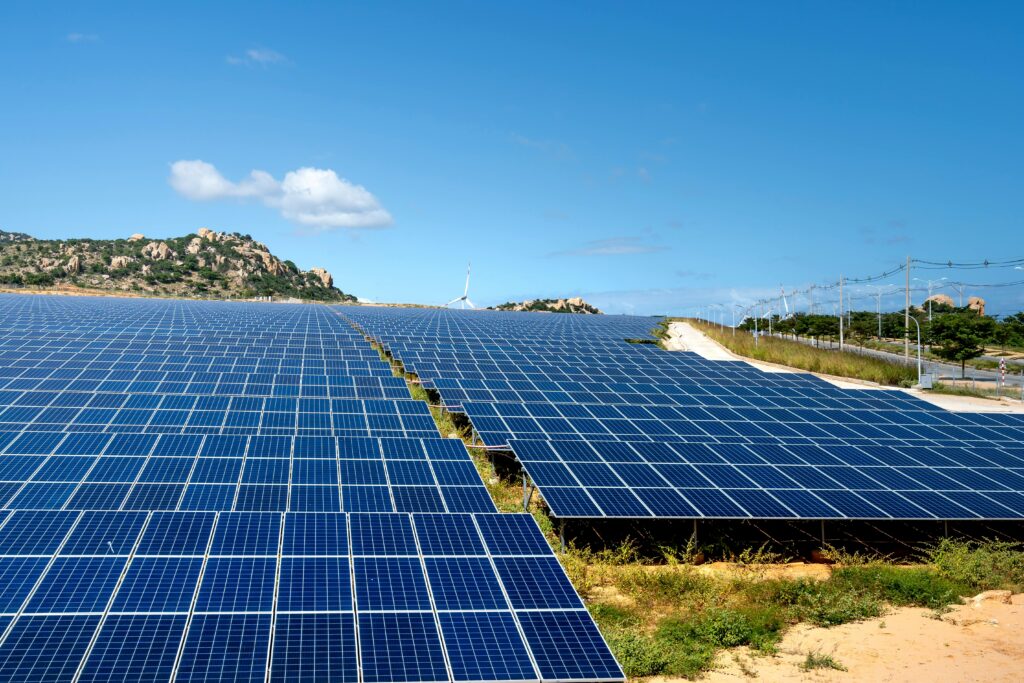
Starting with a Small Off-Grid Solar System
One of the advantages of solar power is that systems can start small and grow over time.
A beginner system might power:
- lights
- phone charging
- small electronics
- tool batteries
Learning the solar power basics for off-grid living through a small system helps homeowners understand energy production, storage, and usage before expanding to larger systems.
As experience grows, additional panels and batteries can increase the system’s capacity.
If you want to estimate how much energy a small solar system can produce, the National Renewable Energy Laboratory offers useful resources for solar system sizing and planning.
Common Beginner Mistakes with Off-Grid Solar
Many new solar users underestimate how much electricity their household consumes.
Starting with a smaller system designed around essential devices usually leads to a better experience.
Another common mistake is installing panels where they receive partial shade. Even small shadows can significantly reduce energy output.
Battery capacity is also important. A system that produces energy but lacks sufficient storage may leave users without power during cloudy weather.
Understanding these challenges helps people apply the solar power basics for off-grid living more effectively.
Final Thoughts
Solar energy provides one of the most practical paths toward energy independence. By understanding the solar power basics for off-grid living, homeowners can build systems that produce reliable electricity using nothing more than sunlight.
Small systems can support lighting and devices, while larger systems can power entire homes.
Like many resilience skills, the key is starting small, learning how the system works, and expanding gradually over time.
With thoughtful planning and observation, solar power can become an essential part of a resilient household.